
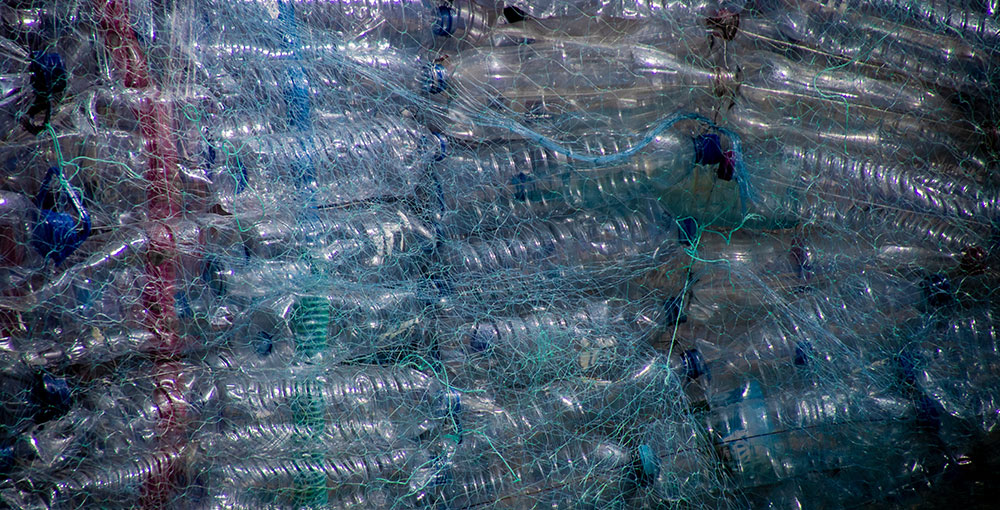
Plastic pollution in our oceans poses a silent but significant threat to marine life and ecosystems. In this blog, we’ll uncover the alarming environmental impact of plastic waste and provide practical tips on how you can reduce your plastic consumption. Small changes in your daily habits can make a big difference for our oceans.
The Problem with Plastic Pollution:
- Marine Life Threats: Plastic waste harms marine animals through ingestion and entanglement.
- Ecosystem Damage: Plastic pollution disrupts aquatic ecosystems and can have cascading effects on biodiversity.
- Human Health Concerns: Microplastics enter the food chain and can pose health risks to humans.
How to Reduce Plastic Waste:
- Say No to Single-Use Plastics: Avoid items like plastic bags, straws, and disposable cutlery.
- Use Reusable Containers: Opt for reusable shopping bags, water bottles, and containers.
- Choose Sustainable Packaging: Support products with eco-friendly packaging.
- Recycle Properly: Follow your local recycling guidelines to ensure plastic items are recycled correctly.
- Participate in Clean-Up Efforts: Join beach clean-up events and initiatives to remove plastic from shorelines.
- Support Plastic Policies: Advocate for policies that reduce plastic production and encourage recycling.
Innovations in Plastic Reduction: Explore innovations like biodegradable plastics, plastic alternatives, and improved waste management systems.
Community and Global Action: Addressing plastic pollution requires collective efforts at the community, national, and global levels.
By making mindful choices and advocating for plastic reduction, you can help protect our oceans and the diverse life they sustain.