
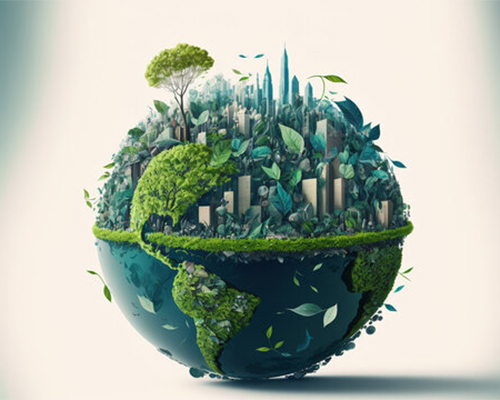
In today’s rapidly changing world, the concept of sustainability has become more crucial than ever. It’s a term that we often hear, but what does it truly mean, especially from a Pacific Islander perspective? This article delves into the essence of sustainability, exploring its three fundamental pillars – social, economic, and environmental – and how these aspects are deeply interwoven with the traditional practices and values of Pacific Islander cultures.
The Meaning of Sustainability
At its core, sustainability is about mjeeting the needs of the present without compromising the ability of future generations to meet their own needs. This delicate balance involves three key areas:
1. Social Sustainability: This pillar focuses on maintaining and improving the well-being of individuals and communities. It’s about creating an inclusive society that offers access to basic needs, education, and opportunities for all, while respecting diversity and ensuring social justice.
2. Economic Sustainability: Economic sustainability involves practices that support long-term economic growth without negatively impacting social, environmental, and cultural aspects. This means businesses and economies should operate in ways that are financially viable, equitable, and beneficial for a wide range of stakeholders.
3. Environmental Sustainability: This is perhaps the most widely recognized aspect of sustainability. It involves making decisions and implementing practices that reduce environmental degradation, conserve natural resources, and maintain the health of the planet’s ecosystems.
Sustainability in Pacific Islander Cultures
For Pacific Islanders, sustainability isn’t a new concept; it’s a way of life that has been practiced for generations. Their traditional knowledge and practices offer valuable insights into sustainable living, deeply rooted in a respect for nature and an understanding of the interconnectedness of all things.
Living with the Land and Sea
Pacific Islanders have a profound connection with their environment. They understand the importance of preserving their land and oceans, not just for their own survival, but for the well-being of future generations. Practices such as sustainable fishing, where only what is needed is taken, and the use of traditional agricultural methods that protect the soil and biodiversity, are prime examples of environmental sustainability.
Community and Culture at the Heart
Social sustainability is also a cornerstone of Pacific Islander cultures. The sense of community, or ‘Aiga’ in Samoan culture, emphasizes the importance of working together and supporting one another. This communal approach ensures that resources are shared, and everyone’s needs are met, reflecting a deep-rooted sense of social responsibility and collective well-being.
Sustainable Economic Practices
Economically, Pacific Islanders have long practiced sustainable methods of trade and resource management. Their economies were traditionally based on barter systems, which promoted a fair exchange of goods and services. Today, many Pacific Island communities are integrating these traditional practices with modern economies, promoting sustainable tourism and local industries that respect their cultural heritage and natural resources.
The Way Forward
The Pacific Islander approach to sustainability offers valuable lessons for the rest of the world. As we face global challenges like climate change and resource depletion, their wisdom and practices remind us of the importance of living in harmony with nature, fostering strong communities, and pursuing economic practices that benefit both people and the planet.
In conclusion, sustainability is more than just a policy or a strategy; it’s a mindset and a way of life. By looking to the practices and values of Pacific Islander cultures, we can find inspiration and guidance for creating a sustainable future that honors the planet and its people.