
Our Blog

Overcoming Barriers to Sustainability in Tourism
The journey towards sustainable tourism is filled with challenges, from changing long-standing habits to overcoming economic hurdles. These obstacles are particularly pronounced in Pacific Island communities, where the stakes are high due to their unique environmental and cultural landscapes. Understanding these challenges and the innovative ways Pacific Islanders are addressing them offers valuable lessons for
The Pillars of Sustainable Tourism and Hospitality
In the realm of tourism and hospitality, sustainability is not just a buzzword; it’s a multifaceted approach that encompasses economic, resource, community, and cultural considerations. This holistic view is particularly relevant in the context of Pacific Island nations, where the delicate balance between economic growth and the preservation of natural and cultural heritage is paramount.
Understanding Sustainability: A Foundation for the Future
In today’s rapidly changing world, the concept of sustainability has become more crucial than ever. It’s a term that we often hear, but what does it truly mean, especially from a Pacific Islander perspective? This article delves into the essence of sustainability, exploring its three fundamental pillars – social, economic, and environmental – and how

Green Buildings: A Catalyst for Sustainable Progress in the Pacific
The Pacific region, with its vast oceanic expanse and idyllic islands, stands at a crucial juncture in the face of climate change and rapid development. Green building initiatives represent a critical leap towards sustainability, directly contributing to the United Nations Sustainable Development Goals (SDGs) and offering a blueprint for a resilient future. Pacific-Wide SDG Integration

Embracing Sustainability: The Role of IFRS S1 in Fijian Business Reporting
In the pristine archipelago of Fiji, where the natural environment is both a treasure and a key economic driver, the call for sustainable business practices has never been louder. The International Financial Reporting Standards (IFRS) S1 emerges as a beacon, guiding entities through the nuances of sustainability-related financial disclosures. For Fijian accountants, policymakers, the private

Climate Change Education: Teaching the Next Generation to Save the Planet
Education is key to addressing climate change. Join us as we explore the importance of climate change education in schools and how educators and parents can instill environmentally conscious values in the next generation. Together, we can empower young minds to become stewards of the planet. The Significance of Climate Change Education: Climate Education in
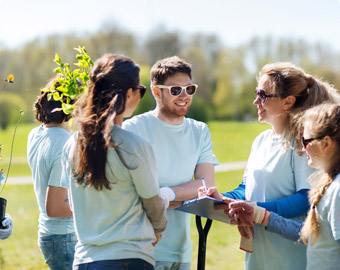
Sustainable Travel: Eco-Friendly Tourism and Responsible Adventure
Are you an eco-conscious traveler looking to explore the world responsibly? In this blog, we’ll share tips and insights on sustainable travel, from choosing eco-friendly accommodations to supporting ethical wildlife tourism. Embark on your next adventure with a focus on minimizing your ecological footprint. Principles of Sustainable Travel: Respect Local Cultures: Learn about and respect
The Circular Food Economy: Reducing Food Waste and Hunger
Food waste is a global issue, but it’s one we can address. In this blog, we’ll dive into the concept of a circular food economy, where food surplus is redistributed to combat hunger and reduce waste. Learn how initiatives are minimizing food waste and ensuring that everyone has access to nourishing meals. The Food Waste

The Role of Green Building Design in Sustainable Architecture
Sustainable architecture is shaping the future of the construction industry. Join us as we explore green building practices, energy-efficient designs, and eco-friendly materials that are revolutionizing modern architecture. Discover how these innovations are creating more sustainable and comfortable living spaces. Key Aspects of Green Building Design: Energy Efficiency: Green buildings are designed to minimize energy
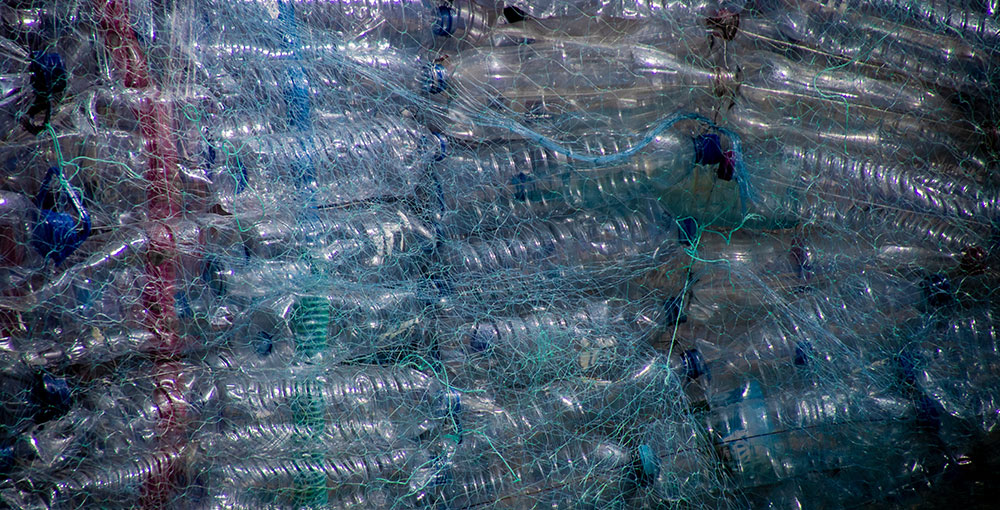
Plastic Pollution: The Silent Threat to Our Oceans and How You Can Help
Plastic pollution in our oceans poses a silent but significant threat to marine life and ecosystems. In this blog, we’ll uncover the alarming environmental impact of plastic waste and provide practical tips on how you can reduce your plastic consumption. Small changes in your daily habits can make a big difference for our oceans. The